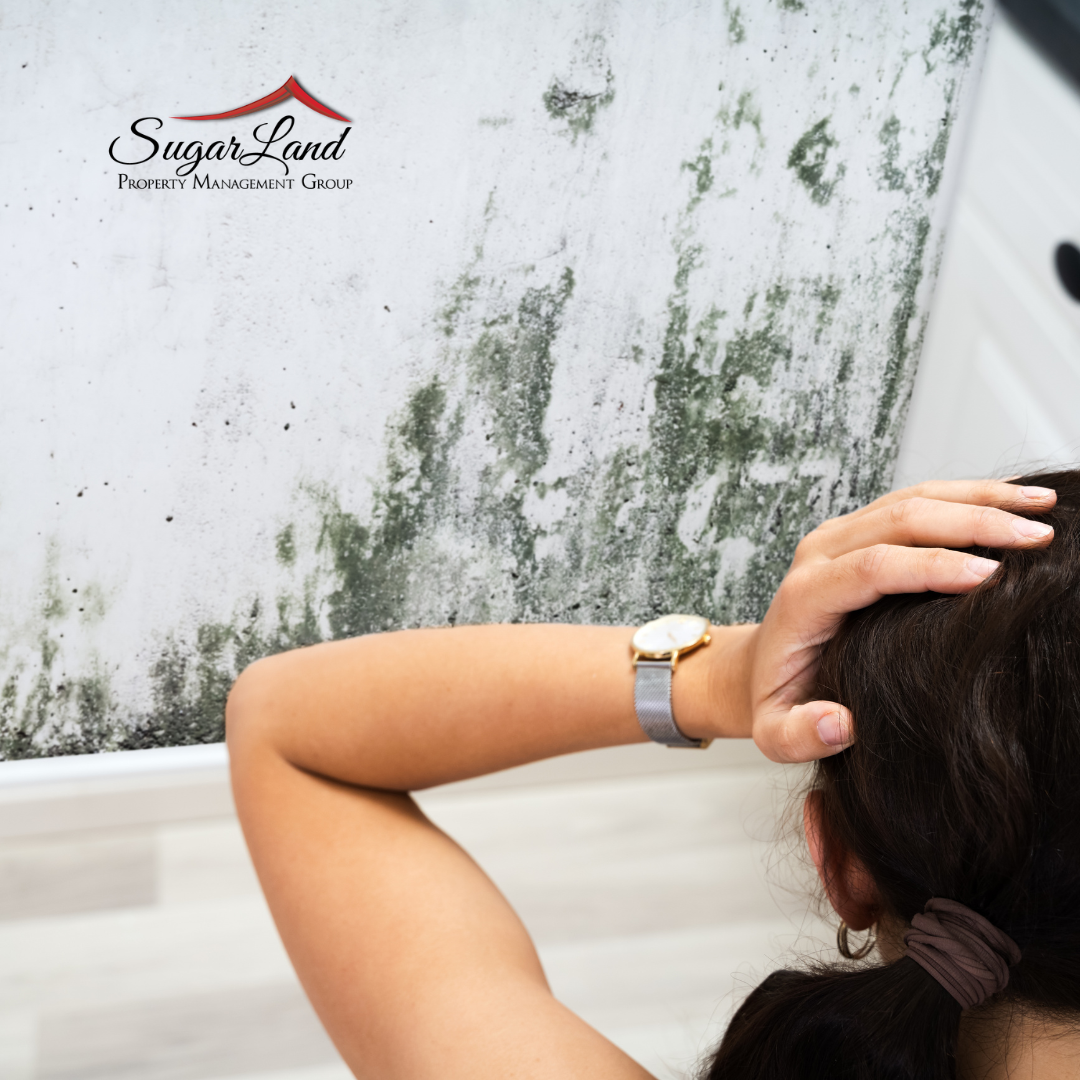
Mold and mildew are among the most common issues that arise in rental properties, especially in humid climates like Texas. When mold appears in a rental home or apartment, tenants and landlords often ask the same question: Who is responsible for fixing it?
Understanding how mold develops, what responsibilities each party has, and what steps to take can help prevent costly damage and disputes. This guide explains how mold issues are typically handled in rental properties in Texas and what both tenants and landlords should know.
What Causes Mold in Rental Properties?
Mold grows when moisture and humidity accumulate in a space that lacks proper ventilation. In many rental properties, mold can develop because of water leaks, high humidity, or poor airflow.
Common causes of mold and mildew include:
- Plumbing leaks under sinks or behind walls
- Roof leaks that allow water into ceilings or attics
- Flooding or water damage
- Poor ventilation in bathrooms and kitchens
- Malfunctioning HVAC systems
- High indoor humidity
Mildew usually appears as a thin surface growth on walls, tile, or grout and can often be cleaned easily. Mold, however, can spread deeper into drywall, insulation, or flooring if the moisture source is not corrected.
Texas Law and Mold in Rental Properties
In Texas, landlords must provide tenants with a property that meets basic health and safety standards. State law generally requires landlords to repair conditions that materially affect the health or safety of tenants.
These requirements are governed by the Texas Property Code, which outlines landlord obligations regarding property maintenance and repairs.
If mold develops due to issues such as roof leaks, plumbing failures, or structural problems, the landlord may be responsible for repairing the underlying issue and addressing the mold growth.
However, responsibility can vary depending on what caused the mold in the first place.
When Landlords Are Responsible for Mold
Landlords are typically responsible when mold results from maintenance problems or structural defects within the property.
Examples include:
- Unrepaired plumbing leaks
- Roof leaks that allow water inside the home
- Faulty windows or exterior walls allowing moisture intrusion
- Broken ventilation systems
- Flooding caused by property defects
In these situations, the landlord should repair the moisture problem and arrange proper mold remediation if necessary.
Ignoring mold complaints can lead to property damage and possible legal disputes.
When Tenants May Be Responsible
Tenants also have responsibilities for maintaining the property and preventing excessive moisture inside the home.
Tenant actions that may contribute to mold include:
- Failing to report water leaks promptly
- Allowing excessive indoor humidity
- Blocking ventilation vents
- Not using bathroom or kitchen exhaust fans
- Poor housekeeping that leads to moisture buildup
For example, mildew that develops around showers or windows due to everyday living conditions may be considered the tenant’s responsibility to clean and manage.
Most lease agreements require tenants to promptly notify the landlord of maintenance issues, including water leaks or damage.
What Tenants Should Do If They Find Mold
If a tenant notices mold or mildew in a rental property, it is important to act quickly.
Steps tenants should take include:
- Notify the landlord immediately in writing.
- Provide photos or documentation of the mold if possible.
- Avoid attempting major mold removal without the landlord’s approval.
- Continue monitoring the area for moisture or leaks.
Early reporting can help prevent the mold from spreading and may protect the tenant if disputes arise later.
What Landlords Should Do When Mold Is Reported
Landlords should take mold complaints seriously and investigate the issue as soon as possible.
Recommended steps include:
- Inspect the property to identify the source of moisture.
- Repair any plumbing leaks, roof damage, or structural issues.
- Improve ventilation if necessary.
- Arrange professional mold remediation for larger infestations.
In some cases, professional mold specialists may be needed to safely remove contaminated materials and prevent the mold from returning.
How to Prevent Mold in Rental Homes
Preventing mold is far easier than removing it. Both tenants and landlords can take simple steps to reduce the risk.
Helpful prevention tips include:
- Fix leaks quickly
- Maintain working bathroom and kitchen exhaust fans
- Use dehumidifiers in humid climates
- Keep indoor humidity below about 50 percent
- Ensure proper ventilation in bathrooms, kitchens, and laundry areas
- Regularly inspect plumbing and roofing systems
In areas with humid weather, such as Houston and surrounding communities, managing indoor humidity is especially important to prevent mold growth.
Frequently Asked Questions About Mold in Texas Rentals
Can tenants break a lease because of mold in Texas?
In some cases, if mold creates a serious health or safety condition and the landlord fails to repair the issue after proper notice, tenants may have legal options. However, each situation is different and may depend on the cause and severity of the mold.
Is mildew the same as mold?
Mildew is a type of surface fungus that is usually easier to clean, while mold can penetrate building materials and may require professional removal.
Should landlords hire mold remediation companies?
For small areas of mildew, normal cleaning may be enough. Larger infestations often require professional mold remediation to ensure the problem is fully resolved.
Final Thoughts
Mold and mildew issues in rental properties can quickly become stressful for both tenants and landlords. The key to resolving these problems is identifying the source of moisture and addressing it promptly.
Clear communication, proper maintenance, and quick reporting of leaks or water damage can prevent minor moisture issues from becoming major mold problems.
By understanding their responsibilities and working together, tenants and landlords can keep rental properties safe, healthy, and well maintained.