

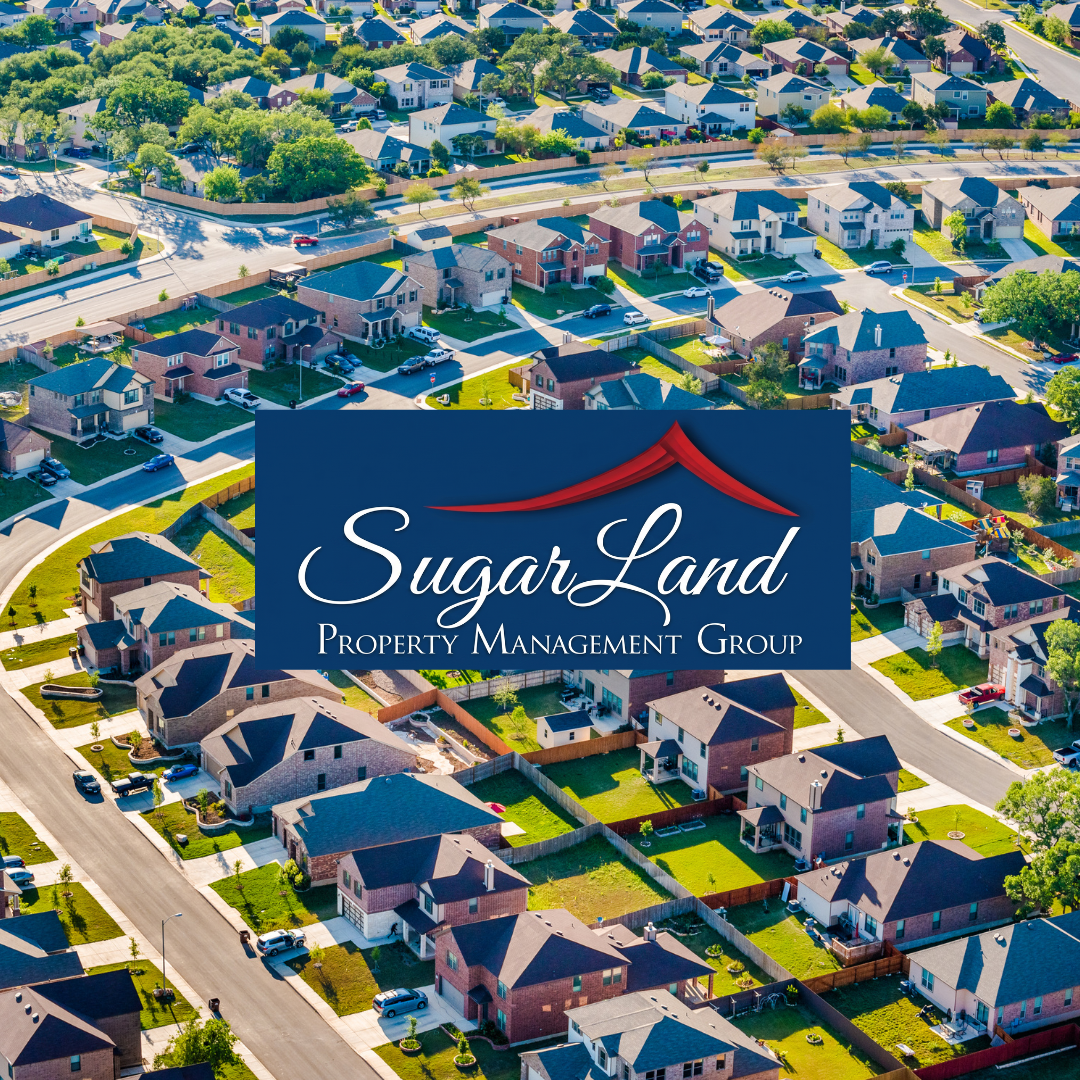
What is property management in Richmond, TX? Property management in Richmond, TX is the professional oversight of residential rental properties on behalf of landlords and real estate investors. A property management company in Richmond, Texas handles tenant screening, rent collection, maintenance coordination, lease enforcement, and legal compliance — allowing property owners to generate rental income without managing the day-to-day responsibilities themselves.
Key Takeaways
- Richmond, TX sits at the center of one of the fastest-growing counties in the United States, making it an increasingly active rental market for investors and landlords.
- The average rent in Richmond is approximately $1,536 per month, with two-bedroom homes averaging around $1,742 per month.
- Nearly half of all households in Richmond are renter-occupied, representing strong and consistent rental demand.
- Property management fees in Texas typically range from 8% to 12% of monthly rent — though some companies, including Sugar Land Property Management, offer more competitive structures.
- Texas Property Code Chapter 92 governs the landlord-tenant relationship and sets binding requirements for lease terms, security deposits, maintenance obligations, and the eviction process.
- Choosing a property manager with deep local knowledge of Fort Bend County, master-planned communities, and HOA compliance is critical for protecting your investment in Richmond.
Introduction
Richmond, Texas is not a city that announces itself loudly. It does not have the skyline of Houston or the name recognition of Sugar Land. What it does have is a steady pipeline of families, professionals, and relocating employees who need quality rental housing — and a rental market that rewards landlords who manage their properties well.
As the county seat of Fort Bend County, Richmond sits at the geographic and administrative center of one of the most consistently growing counties in the United States. Fort Bend County added more than 31,000 residents between 2023 and 2024 alone — ranking it among the top 15 fastest-growing counties in the country. That growth fuels housing demand, and housing demand fuels the Richmond rental market.
For landlords and real estate investors who own property in Richmond — whether in an established neighborhood like Pecan Grove, a master-planned community like Harvest Green or Aliana, or along the Brazos River corridor — professional property management is often the difference between a profitable investment and a stressful one. This guide covers everything you need to know about property management in Richmond, TX in 2026: the local market, what a property manager does, how much it costs, what to look for when hiring one, and how Texas law shapes the landlord-tenant relationship.
What Makes Richmond, TX a Strong Rental Market?
Richmond's Location Within Fort Bend County
Richmond is the county seat of Fort Bend County and sits roughly 30 miles southwest of downtown Houston, positioned between Interstate 69 (U.S. 59) and the Grand Parkway (Texas 99). That geography gives residents fast access to Houston's Energy Corridor, the Texas Medical Center, and Sugar Land's commercial and retail centers — making it attractive to working professionals and families who want suburban living with urban access.
Fort Bend County's population reached approximately 975,000 in 2025 and has grown every year for more than two decades. The county added more than 31,000 residents between 2023 and 2024 — driven by both domestic migration and international immigration — and is projected to grow toward 2.1 million residents over the next 30 years. That trajectory puts sustained pressure on housing supply and keeps rental demand durable in communities like Richmond.
Richmond Rental Market Data (2026)
According to current market analysis from RentCafe and Yardi Matrix, rental market conditions in Richmond as of mid-2026 include:
- Average rent: approximately $1,536/month (down slightly from $1,552 the prior year, reflecting a normalizing market rather than a declining one)
- One-bedroom average: approximately $1,308/month
- Two-bedroom average: approximately $1,742/month
- Three-bedroom average: approximately $2,168/month
- Renter-occupied households: approximately 47% of all Richmond households
That renter-occupancy rate is meaningful. Nearly half of all households in Richmond are occupied by renters — which means strong, consistent demand for quality rental housing across the city.
The broader pattern for 2026 is one of normalization: rents are no longer rising at the pace seen during 2021–2023, but demand remains solid. Higher interest rates have kept more potential buyers renting longer than they otherwise would have, absorbing rental supply and supporting occupancy rates for Richmond landlords.
Richmond's Master-Planned Communities and Rental Stock
Richmond is home to several master-planned communities that are highly desirable for rental tenants, including:
- Harvest Green — A nationally recognized agrihood community with farm-to-table amenities, resort-style pools, and walking trails along the Brazos River
- Aliana — A large master-planned community known for its parks, sports courts, and proximity to the Westpark Tollway
- Veranda — A newer community featuring modern home designs, community amenities, and a small-town atmosphere
- Long Meadow Farms — An established community with larger lots, mature landscaping, and convenient access to Highway 90A
- Pecan Grove — One of the area's older and well-established communities, popular with longtime Fort Bend County residents
- Lakes of Bella Terra — A master-planned development featuring lakefront lots and resort-style amenities
Properties in these communities often command premium rents, attract high-quality tenant applicants, and carry HOA requirements that make professional property management even more valuable. A property manager with local knowledge of these communities understands HOA compliance, knows which amenity access cards must be transferred at move-in, and can coordinate the vendor relationships that keep properties in excellent condition.
What Does a Property Management Company Do in Richmond, TX?
The Core Services Every Richmond Landlord Needs
A full-service property management company in Richmond, Texas handles every aspect of the rental relationship — from preparing a vacant property for the market to managing the tenant's departure when a lease ends. Here is what that looks like in practice:
Rental Market Analysis and Pricing Before listing your Richmond property, a professional property manager evaluates current market conditions — comparable rents in your neighborhood, current vacancy rates, seasonal demand patterns — and recommends a rental price that will attract qualified tenants quickly without leaving money on the table. Pricing a property in Harvest Green is different from pricing a property in Long Meadow Farms, and a local manager understands those differences.
Property Marketing and Advertising Professional property management includes listing your Richmond rental on multiple high-traffic platforms — Zillow, Realtor.com, Rent.com, and others — with professional-quality photos and compelling property descriptions. Broad, strategic marketing reduces the time your property sits vacant, which is the single biggest threat to rental income.
Tenant Screening Rigorous tenant screening is the most consequential thing a property manager does. In Texas, tenant screening is governed by Texas Property Code Section 92.3515, which requires landlords to provide written screening criteria to all applicants. A professional property manager runs comprehensive screening that includes:
- Credit history review
- Criminal background check
- Income and employment verification (typically requiring 3x the monthly rent in verifiable gross income)
- Rental history verification and prior landlord references
- Eviction history check
Consistent, documented screening criteria protect you from fair housing claims and dramatically reduce the likelihood of a problem tenancy.
Lease Preparation and Execution Texas lease agreements must comply with Texas Property Code Chapter 92, which governs residential tenancies. A professional property manager prepares a legally compliant lease that protects your interests — covering everything from late fees (Texas allows up to 12% of monthly rent for properties with four or fewer units under Tex. Prop. Code § 92.019) to pet policies, HOA rules, and the notice requirements for property entry.
Rent Collection A property manager handles all aspects of rent collection, including setting up electronic payment systems, enforcing late fee policies, and issuing appropriate notices when rent is not paid on time. Consistent, professional rent collection is essential to protecting your cash flow.
Maintenance Coordination and Repair Management Property managers coordinate all maintenance and repairs on your behalf — receiving tenant service requests, dispatching trusted vendors, overseeing the quality of completed work, and keeping you informed of significant repairs. In Richmond's hot and humid climate, HVAC systems, roofing, and plumbing require regular attention. A good property manager has established vendor relationships that deliver reliable service at fair prices.
Property Condition Reporting Professional property managers conduct move-in and move-out inspections with detailed documentation — photos, written reports, and condition logs — that protect you in any security deposit dispute. Some companies also perform periodic interior inspections during the tenancy to identify maintenance issues early.
HOA Compliance Many Richmond properties are located in master-planned communities with active HOAs. A property manager monitors HOA communications, ensures your tenant understands community rules, and responds to any HOA violation notices on your behalf — keeping your property in good standing and avoiding fines.
Eviction Management When a tenant fails to pay rent or violates the lease, a property manager handles the eviction process in accordance with Texas law — from the required three-day notice to vacate through any necessary court proceedings. Texas has a relatively efficient eviction process, but it must be followed precisely to be legally effective.
Financial Reporting and Owner Statements Property managers provide monthly and annual financial statements documenting all income and expenses for your Richmond rental — making your accounting straightforward and your tax preparation simpler.
How Much Does Property Management Cost in Richmond, TX?
Understanding Property Management Fees in Texas
Property management in Texas is not a single fee — it is a schedule of fees that together determine your total cost. Understanding each fee type is essential before signing any management agreement.
Monthly Management Fee The monthly management fee is the primary ongoing cost. In Texas, the industry standard ranges from 8% to 12% of monthly rent collected. For a Richmond property renting at $2,000/month, that means a monthly management fee between $160 and $240.
Some companies offer flat monthly fees instead of a percentage. Flat fees offer predictability, but they can be less favorable for lower-rent properties where the flat fee represents a disproportionately high percentage of rent.
Leasing Fee The leasing fee is charged when a property manager places a new tenant. It covers the cost of marketing, tenant screening, lease preparation, and move-in coordination. In Texas, leasing fees typically range from 50% to 100% of one month's rent.
Lease Renewal Fee When an existing tenant renews their lease, many property management companies charge a renewal fee to cover the administrative work of updating lease terms and processing paperwork. In Texas, renewal fees range from $200 to one month's rent depending on the company.
Vacancy Fee Some property management companies charge a reduced fee — or no fee — during vacancy. Others charge a flat monthly fee to maintain a vacant property. Ask specifically how vacancies are handled in any management agreement.
Maintenance Markups Some property management companies add a markup — typically 10% to 25% — to the cost of maintenance and repair work they coordinate. This can add meaningful cost to larger repairs. Ask prospective property managers whether they charge maintenance markups and what the markup percentage is.
Setup and Onboarding Fees Many companies charge a one-time onboarding or setup fee when you begin service. Fees range from zero to $300 or more.
Sugar Land Property Management Fee Structure
Sugar Land Property Management offers a transparent, straightforward fee structure designed to give Richmond landlords full-service management at a competitive cost:
ServiceFeeMonthly Management (without property visits)7% of monthly rent collectedMonthly Management (with property visits)8% of monthly rent collectedLeasing Fee (new tenant placement)One month's rentLease Renewal Fee$350Vacant Property Fee$70/month flatProperty Reserve Deposit$400 (one-time, held for maintenance)Setup/Onboarding FeeNoneAdvertising/Marketing FeeNoneMaintenance MarkupsNone
This structure means Richmond landlords know exactly what they are paying — with no hidden charges, no maintenance markups adding cost to every repair, and no advertising fees on top of a leasing fee.
Are Property Management Fees Tax-Deductible?
Yes. For most Richmond landlords, property management fees are deductible as an ordinary and necessary business expense on Schedule E of your federal tax return. This includes monthly management fees, leasing fees, renewal fees, and repair coordination charges. Consult your tax advisor to confirm how deductions apply to your specific situation.
How Does Tenant Screening Work in Richmond, TX?
Why Tenant Screening Is the Most Important Thing a Property Manager Does
The quality of your tenant determines the quality of your experience as a landlord. A well-screened tenant pays rent on time, cares for the property, respects the neighbors, and — when the time comes — leaves the property in good condition. A poorly screened tenant can cost you months of lost rent, thousands in repairs, and the stress of an eviction.
Professional property managers in Richmond screen every applicant against written, documented criteria applied consistently to all applicants.
Texas Tenant Screening Requirements
Tenant screening in Texas is governed by both state and federal law:
- Texas Property Code Section 92.3515 requires landlords to provide applicants with written screening criteria before or at the time they pay an application fee. If a landlord fails to provide this disclosure, the applicant is entitled to a refund of any fees paid.
- The Fair Housing Act (FHA) prohibits discrimination based on race, color, national origin, religion, sex, familial status, or disability. Screening criteria must be applied equally to all applicants.
- The Fair Credit Reporting Act (FCRA) requires written consent from the applicant before running any credit or background check. If an application is denied based on a consumer report, an adverse action notice must be provided.
A professional property manager navigates all of these requirements, ensuring your screening process is both thorough and legally compliant.
What a Complete Tenant Screening Includes
For rental properties in Richmond, a comprehensive screening process evaluates:
- Credit history — Payment patterns, outstanding debt, collections, and bankruptcies
- Income and employment — Verifiable gross monthly income of at least 2.5–3x the monthly rent, with employment or income source confirmed directly
- Criminal background — Assessed on a case-by-case basis in compliance with HUD guidance and Texas Property Code Section 92.025
- Rental history — Prior landlord references, history of on-time payment, and any prior evictions
- Eviction records — A direct search of eviction filings in Texas courts
- Identity verification — Confirming the applicant is who they say they are
What Are Your Rights and Obligations as a Richmond Landlord?
Texas Property Code: What Every Richmond Landlord Must Know
The Texas Property Code, Title 8 (Chapters 91–94), governs the landlord-tenant relationship in Texas. Here are the key provisions Richmond landlords need to understand:
Security Deposits Texas does not cap the amount a landlord may charge for a security deposit. However, the landlord must return the deposit — or a written accounting of any deductions — within 30 days of the tenant's departure. Failure to comply can result in the landlord owing the tenant three times the wrongfully withheld amount plus attorney's fees (Tex. Prop. Code § 92.109).
Maintenance Obligations Texas law requires landlords to make repairs that materially affect the health or safety of an ordinary tenant, provided the tenant has given written notice and the condition was not caused by the tenant (Tex. Prop. Code § 92.056). Leases must include language informing tenants of their rights when a landlord fails to make required repairs.
Property Entry Unlike many states, Texas does not have a statutory requirement for advance notice before a landlord enters a rental unit. However, the lease agreement typically establishes an entry notice requirement, and best practice is to provide tenants with at least 24 hours' notice for non-emergency situations.
Late Fees Texas allows landlords to charge late fees, but they must be "reasonable." For properties with four or fewer units, the maximum late fee is 12% of the monthly rent. For properties with five or more units, the maximum is 10% (Tex. Prop. Code § 92.019).
Lease Termination and Notice For month-to-month tenancies, either party may terminate with at least one month's written notice (Tex. Prop. Code § 91.001). For fixed-term leases, the landlord cannot terminate early without cause.
The Eviction Process in Texas
Texas has one of the more efficient eviction processes in the country, but it must be followed correctly. The general process for non-payment of rent is:
- 3-Day Notice to Vacate — Written notice delivered to the tenant demanding payment or possession of the property within three days
- Eviction Suit Filing — If the tenant does not comply, the landlord files an eviction suit (forcible detainer) in Justice Court
- Hearing — A hearing is typically scheduled within 10–21 days of filing
- Judgment and Writ of Possession — If the landlord prevails, a writ of possession is issued after five days, authorizing the constable to remove the tenant
A professional property manager handles this entire process — ensuring notices are properly served, filings are made correctly, and your timeline is protected. Self-help evictions (changing locks, removing a tenant's belongings without a court order) are illegal in Texas and expose landlords to significant liability.
This information is provided for educational purposes. Consult a licensed Texas real estate attorney for legal advice specific to your situation.
How to Choose a Property Management Company in Richmond, TX
What to Look for in a Richmond Property Manager
Not all property management companies serving the Greater Houston area have meaningful experience in Richmond specifically. The right property manager for your Richmond rental should demonstrate:
Local Market Knowledge A property manager who knows the difference between rental demand in Harvest Green versus Long Meadow Farms — and who can price your property accordingly — is more valuable than one with a generic pricing formula. Ask prospective property managers: What is the current average rent for a 3-bedroom, 2-bathroom home in this community? How long are properties typically vacant before being leased in this zip code?
Established Vendor Relationships in Fort Bend County Maintenance response time depends entirely on who a property manager calls when something breaks. A company with established relationships with Fort Bend County HVAC contractors, plumbers, and general contractors will resolve issues faster — and at better prices — than a company dispatching national vendors unfamiliar with the area.
HOA Compliance Experience If your Richmond property is in a master-planned community with an active HOA, your property manager must understand how to handle HOA communications, compliance notices, and community rule enforcement. Ask whether they have experience managing properties within your specific HOA.
Transparent Fee Structures Avoid property management companies that are vague about their fee schedules. Request a complete written fee schedule before signing any management agreement. Pay particular attention to maintenance markup policies and vacancy fees.
Texas-Specific Legal Compliance Property management in Texas is regulated by the Texas Real Estate Commission (TREC). Confirm that any property manager you consider is a licensed Texas real estate broker or works under one, and that they demonstrate familiarity with Texas Property Code requirements specific to residential leasing.
Communication Standards Ask how your property manager communicates with owners — how often you receive statements, how quickly maintenance issues are reported, and who your primary point of contact will be. A property manager who is hard to reach is a liability, not an asset.
Questions to Ask Before Hiring a Property Manager in Richmond, TX
- How long have you been managing properties in Richmond and Fort Bend County?
- How many properties do you currently manage in this area?
- What is your current average vacancy rate for Richmond properties?
- Do you charge maintenance markups? If so, what is the percentage?
- What is your process for handling HOA violation notices?
- How quickly do you typically place a new tenant in a vacant Richmond property?
- What does your tenant screening process include?
- How are owner statements delivered and how often?
- What is your process for handling non-payment of rent?
- What are the terms for terminating the management agreement if I am dissatisfied?
Is Property Management Worth It for Richmond Landlords?
The Real Cost of Self-Managing a Rental in Richmond
Many Richmond landlords initially consider self-managing their rental to save on management fees. The calculation looks simple: avoid the 8–10% monthly fee and keep more of your rent. In practice, the comparison is more nuanced.
Self-managing a Richmond rental property means personally handling:
- Listing, marketing, and showing the property during vacancies
- Screening tenant applications and navigating Fair Housing Act compliance
- Drafting and executing a Texas-compliant lease
- Coordinating and overseeing every maintenance request
- Enforcing late payment policies and issuing required notices
- Monitoring HOA compliance
- Responding to tenant emergencies at any hour
- Managing the eviction process if a tenant defaults
For landlords who live in Richmond and have significant time available, self-management may be viable for one or two properties. For out-of-state investors, landlords managing multiple properties, or anyone who values their time, professional property management typically pays for itself through reduced vacancy, better tenant selection, fewer costly maintenance errors, and the elimination of personal liability for compliance failures.
The ROI Case for Professional Property Management
Consider a Richmond rental property generating $2,000/month in rent. At an 8% monthly management fee, the management cost is $160/month — or $1,920 per year. Against that cost, weigh:
- Reduced vacancy: A professional property manager who fills your property two weeks faster than you would has already saved you roughly $1,000 in lost rent
- Better tenant retention: A well-managed tenant experience leads to lease renewals, eliminating the cost of re-leasing (typically one month's rent)
- Maintenance quality control: Catching a small plumbing issue before it becomes a significant repair can save thousands
- Legal compliance: One security deposit dispute mishandled by an unlicensed landlord can cost three times the deposit amount under Texas Property Code § 92.109
The math favors professional management for most Richmond landlords — particularly those who value their time or lack deep experience with Texas landlord-tenant law.
The Richmond, TX Rental Market Outlook for 2026
Richmond's rental market in 2026 is best described as normalized — no longer in the rapid-appreciation phase that defined 2020–2023, but supported by durable fundamentals that favor patient landlords and investors.
Key factors shaping the Richmond rental market in 2026:
- Continued population growth in Fort Bend County drives sustained housing demand and keeps vacancy rates manageable for well-maintained, well-priced properties
- Elevated mortgage rates have extended the rental window for many would-be buyers, adding qualified renters to the applicant pool in communities like Aliana, Veranda, and Harvest Green
- New apartment supply in parts of the Greater Houston area has created some headwinds for apartment-style rentals, but single-family homes in master-planned Richmond communities remain differentiated and in demand
- Out-of-state investors continue to find Fort Bend County attractive relative to higher-cost Texas markets, and Richmond's position as the county seat gives it stability as a long-term hold
For landlords, the 2026 environment rewards pricing discipline, quality property presentation, and strong tenant retention. A professional property manager who monitors local comps, communicates proactively with tenants approaching renewal, and maintains properties in excellent condition is well-positioned to deliver strong returns in this market.
FAQ: Property Management in Richmond, TX
What does a property management company do in Richmond, TX? A property management company in Richmond handles the full scope of residential rental operations on behalf of property owners. This includes marketing the property, screening tenants, collecting rent, coordinating maintenance, enforcing lease terms, managing HOA compliance, and overseeing the eviction process when necessary. The goal is to protect your investment and generate consistent rental income without requiring your direct involvement.
How much does property management cost in Richmond, Texas? Property management in Richmond, TX typically costs between 7% and 12% of monthly rent collected, plus a leasing fee (usually one month's rent when a new tenant is placed) and a lease renewal fee. Sugar Land Property Management charges 7% monthly (without property visits) or 8% (with property visits), with a one-month leasing fee, a $350 renewal fee, and no maintenance markups or advertising fees.
How do I find a good property manager in Richmond, TX? Look for a property management company that is licensed by the Texas Real Estate Commission (TREC), has direct experience in Fort Bend County communities, and provides a clear, written fee schedule. Ask about their tenant screening process, vendor relationships, HOA compliance procedures, and average vacancy timelines for Richmond properties. Sugar Land Property Management has been serving Richmond and Fort Bend County since 1999.
What is the average rent for a single-family home in Richmond, TX in 2026? Based on current market data, the average rent in Richmond, TX is approximately $1,536/month across all property types. For single-family homes, two-bedroom properties average around $1,742/month and three-bedroom homes average approximately $2,168/month, though rents in premium master-planned communities like Harvest Green and Aliana can be meaningfully higher depending on size, finishes, and amenity access.
Does Texas have rent control? No. Texas does not have statewide rent control, and state law preempts local governments from enacting rent control ordinances. Richmond landlords may adjust rent to market rates at lease renewal, provided proper notice is given in accordance with the lease terms and any applicable notice requirements.
What are a landlord's maintenance obligations under Texas law? Under Texas Property Code Chapter 92, landlords are required to make repairs that materially affect the health or safety of an ordinary tenant, provided the tenant gives written notice and the condition was not caused by the tenant. Failure to make required repairs can give tenants the right to repair and deduct, terminate the lease, or pursue damages in court.
How long does the eviction process take in Richmond, TX? The Texas eviction process, when initiated correctly, typically takes four to six weeks from the issuance of the required three-day notice to vacate through the issuance of a writ of possession. The process can take longer if the tenant contests the eviction or appeals the Justice Court ruling. A professional property manager who handles eviction filings regularly can navigate the process more efficiently than a self-managing landlord doing it for the first time.
Do I need a property manager for my HOA community in Richmond? Not technically required, but strongly recommended. Properties in Richmond's master-planned communities — including Harvest Green, Aliana, Veranda, Long Meadow Farms, Pecan Grove, and Lakes of Bella Terra — are governed by HOA rules that apply to the tenant as well as the owner. A property manager ensures your tenant understands and complies with community standards, monitors HOA correspondence on your behalf, and responds to any violation notices promptly. Ignoring HOA violations can result in fines that accrue against the property owner.
What should I look for when hiring a property manager in Fort Bend County? Prioritize local experience, transparent fees, a documented tenant screening process, and clear communication standards. Confirm the company is licensed under TREC, ask for references from current clients in Richmond or Fort Bend County, and request a complete written fee schedule before signing. The right property manager will be able to answer specific questions about the Richmond rental market without hesitation.
Is rental property a good investment in Richmond, TX? Richmond, TX has consistently attracted investors seeking cash-flow-positive properties with stable long-term appreciation in a high-growth county. Fort Bend County's population growth, economic diversity, and proximity to Houston's major employment centers support durable rental demand. That said, investment performance depends significantly on purchase price, financing structure, rental pricing, and the quality of property management. A local property manager can help you evaluate specific properties and expected returns.
Can a property manager handle my Richmond rental if I live out of state? Yes. Sugar Land Property Management regularly serves out-of-state investors who own rental properties in Richmond, Fort Bend County, and the Greater Houston area. Full-service property management means you receive owner statements, maintenance updates, and lease documentation remotely — without needing to travel to Richmond to manage your investment.
What is Texas Property Code Chapter 92? Texas Property Code Chapter 92 governs residential tenancies in Texas. It covers landlord and tenant rights and obligations relating to security deposits, lease terms, maintenance and repair duties, property entry, lease termination, and the eviction process. All residential leases in Texas — including those for Richmond rental properties — must comply with Chapter 92. You can review the current text at the Texas Legislature Online.
Ready to Stop Managing Your Richmond Rental Property Alone?
Sugar Land Property Management has been serving landlords and real estate investors in Richmond, Fort Bend County, and the Greater Houston area since 1999. We offer full-service residential property management with no maintenance markups, no advertising fees, no setup costs, and a fee structure built for transparency.
Whether you own a single-family home in Harvest Green, a property in Aliana or Veranda, or a portfolio of rentals across Richmond and Fort Bend County, we manage your investment the way you would — if you had the time, the vendor relationships, the legal knowledge, and the systems to do it right.
Visit sugarlandpm.com to learn more or to schedule a consultation with Sugar Land Property Management — serving Richmond, Sugar Land, Katy, Rosenberg, Pearland, Missouri City, Stafford, Houston, Rosharon, and Fort Bend County, Texas.


